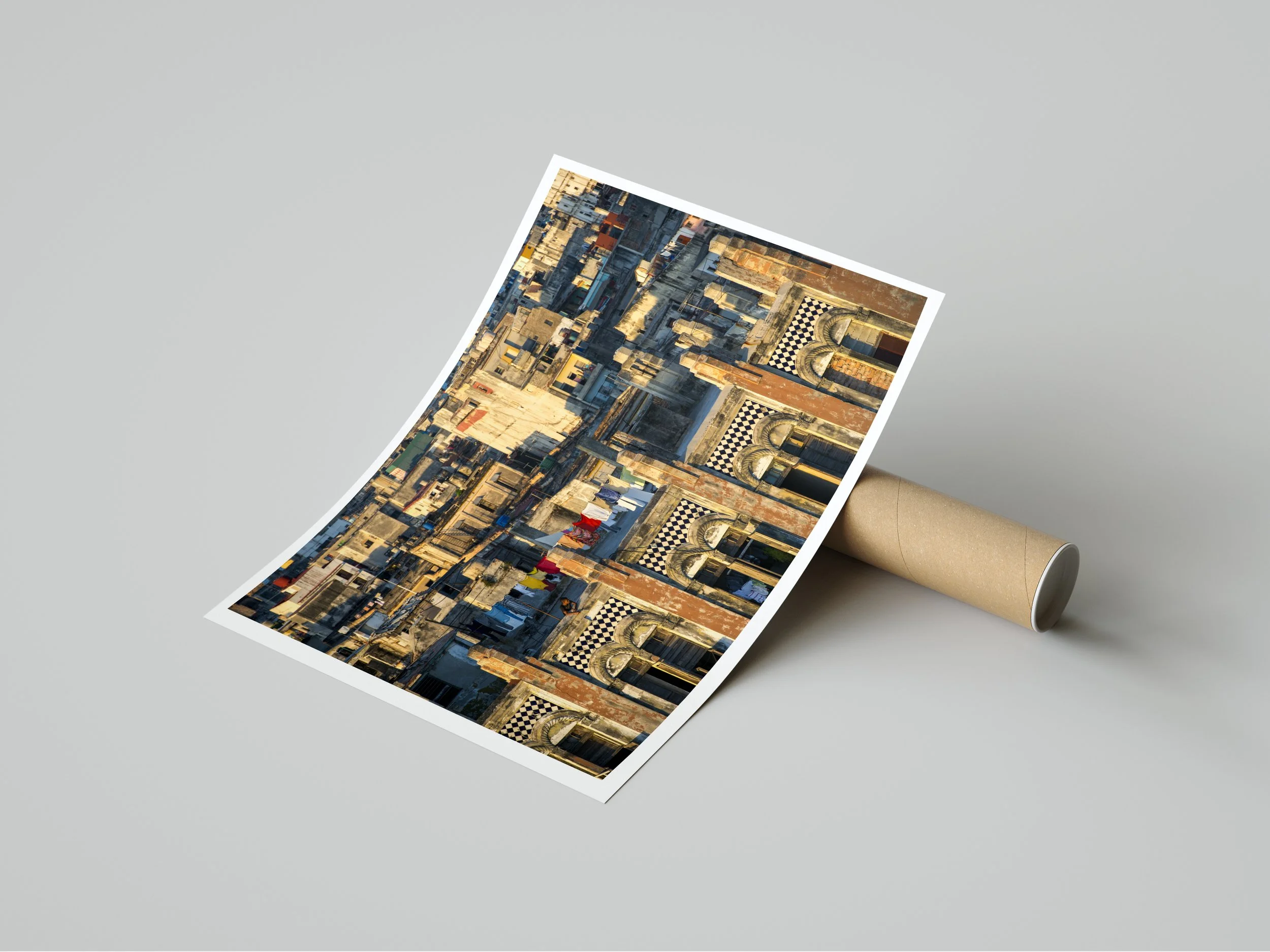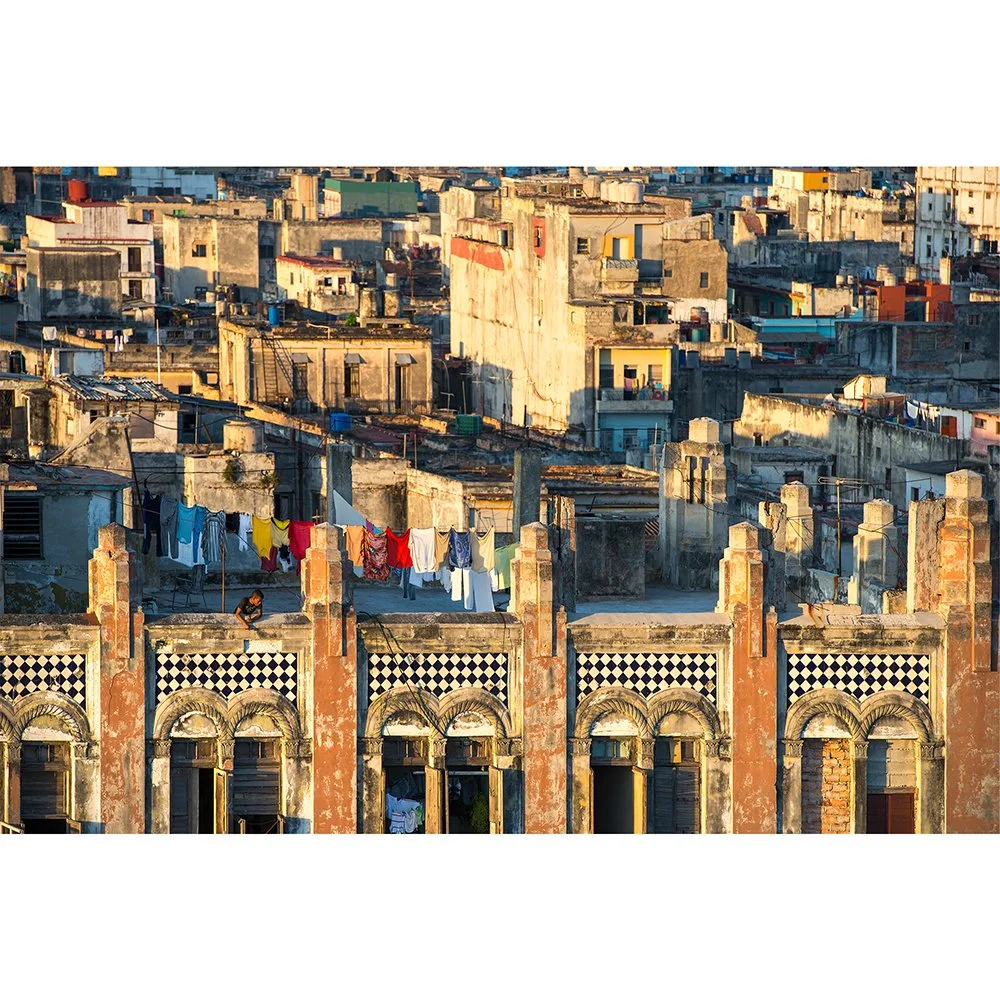

Havana

starting at €90.00

Founded by the Spanish in 1519, Cuba's capital is the largest city in the Caribbean. At the end of the 18th century, people from countries other than Spain began to arrive in Havana, and when slavery was abolished at the end of the 19th century, people of African descent began to move to the city. Havana has had to endure raids by European pirates, the influence of the United States and the Soviet Union, and long-lasting economic sanctions. As a result, Havana has developed into a unique and colorful city with its old American cars still in use.

Product:
Size:

Founded by the Spanish in 1519, Cuba's capital is the largest city in the Caribbean. At the end of the 18th century, people from countries other than Spain began to arrive in Havana, and when slavery was abolished at the end of the 19th century, people of African descent began to move to the city. Havana has had to endure raids by European pirates, the influence of the United States and the Soviet Union, and long-lasting economic sanctions. As a result, Havana has developed into a unique and colorful city with its old American cars still in use.

PEOPLE´S ERA – A journey to the origins of stories

The earliest signs of human activity are likely stone tools, arrowheads, and clothing made of leather and animal and plant fibers. The oldest structures, on the other hand, are simple shelters or monuments dedicated to the cycle of the sun, ancestors, or gods. Every upright stone, mound, and wall tells the story of people who lived thousands of years before us, their hardships, and their hopes. They are not just ruins but fragments of a shared history.